
The conventional wisdom about retirement goes something like this: work long enough, save steadily, claim your benefits at the right time, and the math will work out. Patricia Novak did all of that. And she is still sitting in a drafty Pittsburgh house, watching the forecast for hard freezes, praying her furnace holds one more winter.
When I sat down with Patricia Novak on a Tuesday afternoon in her Brookline neighborhood home, the first thing she did was offer me coffee. The second thing she did was apologize for the cold. “The thermostat’s set lower than I’d like,” she told me, tugging the sleeves of her cardigan. “I know what the gas bill looks like when I turn it up.”
Thirty-Two Years of Service, and a Budget That Barely Holds
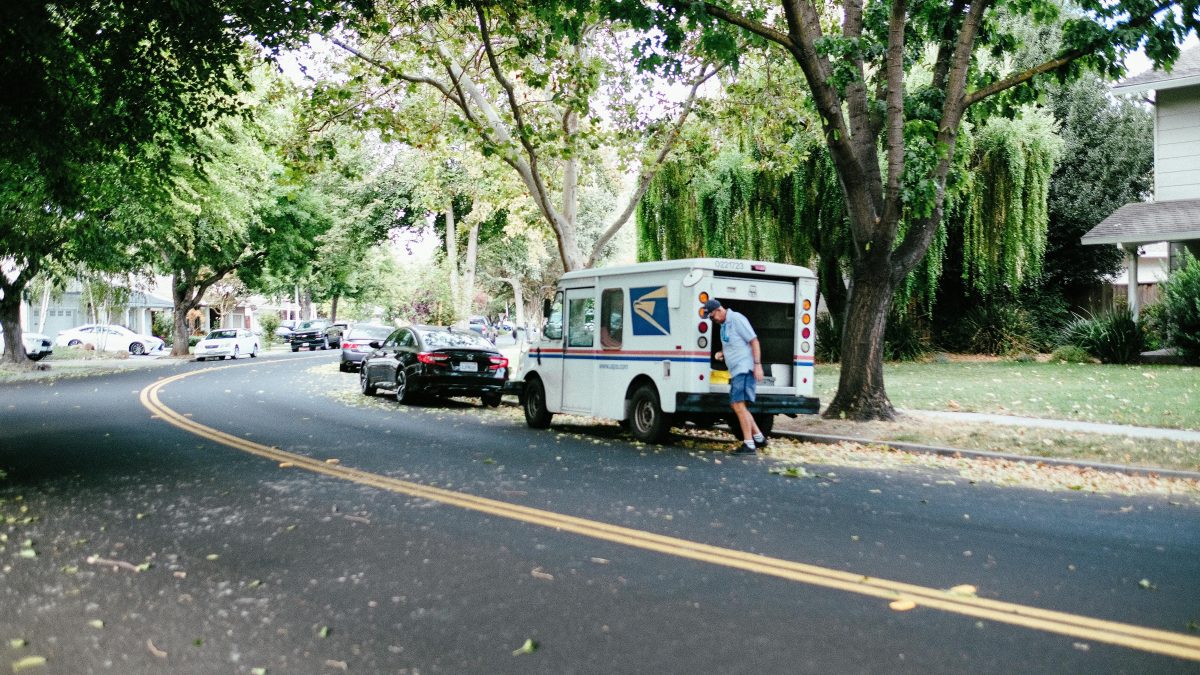
Patricia is 65 years old. She retired from the United States Postal Service after 32 years of service, and she receives a modest USPS pension alongside her own Social Security benefit. By any reasonable measure, she did everything right. She also has adult children who have offered to help, an offer she quietly declines every time.
“I raised them to be independent,” Patricia told me, folding her hands on the kitchen table. “I’m not going to call them up now because my roof is leaking. That’s not who I am.”
Three years ago, Patricia’s husband Robert died after a short illness. He was 68. Beyond the grief, his death triggered an immediate and unforgiving financial restructuring. Robert had been receiving his own Social Security retirement benefit — roughly $1,340 per month at the time of his death, according to Patricia. Under Social Security’s rules, a surviving spouse typically keeps only the higher of the two benefits, not both. Patricia’s own benefit was higher, so Robert’s payment simply stopped.
That loss — more than $16,000 per year — came with no warning, no transition period, and no automatic referral to any supplemental program. The Social Security Administration’s survivor benefits page outlines the rules clearly, but Patricia told me no one walked her through what that would mean for her monthly budget.
The Numbers Behind the Anxiety
Patricia agreed to share a rough breakdown of her finances, something she said she had never done with anyone outside her immediate family. Her combined pension and Social Security income comes to approximately $2,850 per month before Medicare Part B premiums are deducted. After those premiums — which in 2025 were set at $185.00 per month for most beneficiaries according to Medicare.gov — her take-home is closer to $2,665.
Her monthly expenses — mortgage, utilities, food, medications, and car insurance — consume nearly all of that. She clips coupons on Sunday evenings and drives approximately 20 minutes each way to a discount grocery store where she can save $30 to $40 on a typical shopping trip. She tracks every expenditure in a spiral notebook. “I know exactly where every dollar goes,” she said. “And I still can’t find room for a new roof.”
Contractors have quoted her between $9,500 and $13,000 to replace the roof on her 1960s-era home. A licensed HVAC technician told her the furnace — original to the house — is on borrowed time. Replacing it would cost an estimated $4,200 to $5,800. Her savings exist, but they are designated for medical expenses. She will not touch them for the house.
The Programs She Didn’t Know Existed
This is the part of Patricia’s story that I found most striking — and most common among the fixed-income seniors I’ve reported on over the years. Several relief programs exist specifically for people in her situation. Most of them go unclaimed, not because people are ineligible, but because no one tells them.
When I asked Patricia whether she had ever applied for the Low Income Home Energy Assistance Program — known as LIHEAP — she paused. “I’ve seen a flyer for that somewhere,” she said slowly. “But I always assumed it was for people worse off than me.”
LIHEAP is a federally funded program administered by states that helps low- and moderate-income households cover heating and cooling costs. In Pennsylvania, eligibility extends to households earning up to 150% of the federal poverty level, and seniors on fixed incomes frequently qualify. The Pennsylvania Department of Human Services administers the state’s version of the program. Patricia, based on her income and household size, likely falls within the eligibility range — though I am reporting that as context, not as a determination of her specific case.
There is also the HUD Section 504 Home Repair program, which provides grants of up to $10,000 to eligible homeowners aged 62 and older for repairs that address health or safety hazards. A failing furnace and a leaking roof can both qualify. Patricia had never heard of it.
Pennsylvania also operates a Property Tax/Rent Rebate Program for residents aged 65 and older with annual income below $35,000. The maximum rebate is $1,000. Patricia knew about this one — her neighbor had mentioned it — but she had not yet filed for the current claim year, which she acknowledged with a short, tired laugh. “I keep putting it off. The form looks complicated and I don’t want to make a mistake.”
What Changed, and What Didn’t
By the end of our conversation, Patricia had a short list of programs to look into. She had the names of two local nonprofits that help seniors navigate benefit applications without charge. She had the phone number for Allegheny County’s Area Agency on Aging, which coordinates exactly this kind of assistance. She told me she would call. I believe her.
But I want to be honest about what a phone call does and does not fix. Patricia’s roof is still leaking. Her furnace is still aging. The $1,340 per month that Robert’s Social Security provided is still gone, and no program restores that. The tension in Patricia’s life is not a paperwork problem. It is a structural one, shared by roughly 14.9 million Americans aged 65 and older who live alone, according to U.S. Census Bureau estimates — many of them on fixed incomes that were designed around a two-person household.
The pride that Patricia carries — the same pride that built 32 years of federal service and raised children she describes as “capable and self-sufficient” — is the same quality that has kept her from accessing programs she likely qualifies for. That is not a character flaw. It is an almost universal feature of the generation she belongs to, and it costs people real money.
A Roof, a Furnace, and a Longer Reckoning
Before I left, I asked Patricia what she was most worried about. Not this week, not the furnace — but the long view. She was quiet for a moment.
There are programs Patricia hasn’t applied for yet. There are rebates she hasn’t claimed. There may be assistance she qualifies for that neither of us discussed that afternoon. But none of that erases the core reality of her situation: she is a woman who worked three decades in public service, lost her partner, and is now watching her savings with the same careful attention she gives to coupons — counting, rationing, hoping the math holds.
Her house, built in the 1960s, has stood through a lot. Patricia Novak is determined to stay in it. Whether the programs catch up to her need — and whether she can set aside enough of her independence to let them — is the question she’s living with right now. I drove home thinking about it for most of the hour.
Vivienne Marlowe Reyes is a Senior Tax & Stimulus Writer at American Relief. This story reflects Patricia Novak’s reported personal experience. Nothing in this article constitutes financial, legal, or benefits advice. Eligibility for any program referenced is determined by the administering agency.
Related: After 32 Years at the Post Office, This Pittsburgh Retiree Is One Broken Furnace Away From Crisis



Leave a Reply