
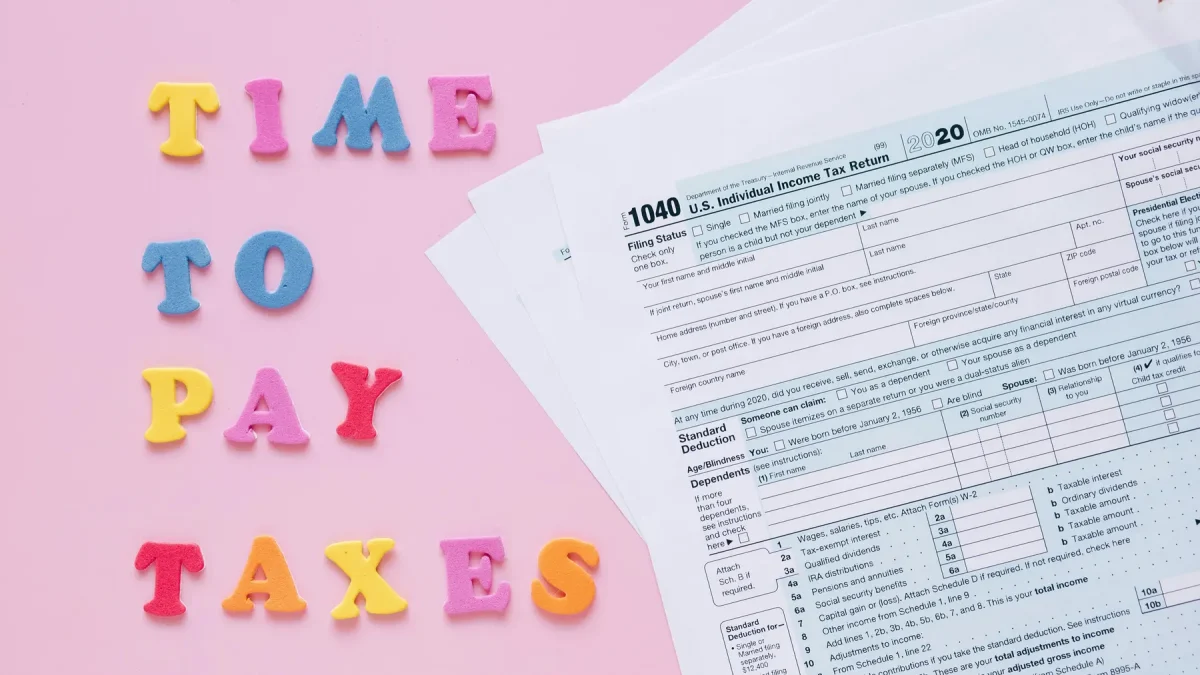
Roughly 9 million Americans who were eligible for the third stimulus check never received it, and many still don’t know they can claim it right now by filing a late 2021 tax return. That number, cited by the IRS in its outreach campaigns, represents billions of dollars sitting unclaimed. The reason isn’t fraud or bureaucratic error. For most people, it comes down to one thing: they never filed a 2021 return.
This is the story of how a late tax filing turned into a $1,400 discovery; and what it means for anyone who skipped their 2021 taxes, filed with errors, or assumed the window had closed.
The Setup: What Was the $1,400 Stimulus, Exactly?
The third Economic Impact Payment, commonly called the $1,400 stimulus check; was authorized under the American Rescue Plan Act of 2021. Most eligible Americans received it automatically via direct deposit or paper check between March and December of 2021. Eligibility was based on 2020 or 2019 tax returns, with payments phasing out above $75,000 in adjusted gross income for single filers and $150,000 for married couples filing jointly.
But automatic delivery wasn’t universal. People who didn’t file taxes in 2019 or 2020, who had income changes, who recently had a child, or whose banking information was outdated often fell through the cracks. For those individuals, the IRS built in a safety net: the 2021 Recovery Rebate Credit. Filing a 2021 tax return, even years late; allows eligible taxpayers to claim what they were owed.
| Stimulus Round | Amount | Tax Year to File | Claim Deadline |
|---|---|---|---|
| First (EIP1) | $1,200 | 2020 Return | May 17, 2024 (passed) |
| Second (EIP2) | $600 | 2020 Return | May 17, 2024 (passed) |
| Third (EIP3) | $1,400 | 2021 Return | April 15, 2025 (passed) |
The deadlines in that table matter enormously. The window for claiming the 2021 Recovery Rebate Credit officially closed on April 15, 2025, per the IRS’s three-year statute of limitations on refunds. If you filed your 2021 return before that date, even if it was technically late; your claim was valid. If you missed that deadline, the credit is no longer available.
What Is the 2021 Recovery Rebate Credit and How Did It Work?
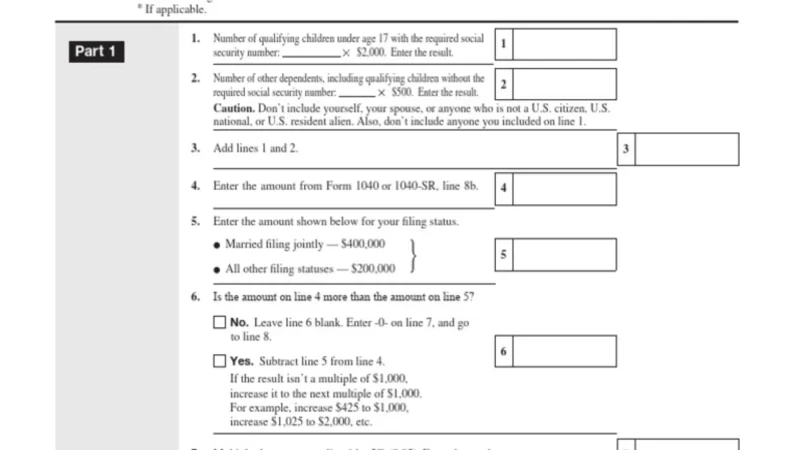
The 2021 Recovery Rebate Credit is a refundable tax credit that functioned as the official mechanism for claiming a missed third stimulus payment through the tax system. According to the IRS, your 2021 Recovery Rebate Credit reduces any tax you owe for 2021, or is included in your tax refund if you owe nothing, according to irs.gov.
The credit was calculated based on your 2021 income, not your 2019 or 2020 income. That distinction created a second opportunity for many people. Someone who earned $90,000 in 2020 (above the phase-out threshold) but only $60,000 in 2021 could qualify for the full $1,400 by filing a 2021 return; even if they received nothing automatically.
Dependents added to the total. Each qualifying dependent, including adult dependents for the first time; added another $1,400 to the potential credit. A family of four who received nothing could theoretically claim $5,600 through a single 2021 filing.
The Rising Action: Why So Many People Filed Late: or Not at All
Late filing isn’t always negligence. During 2021 and 2022, millions of Americans were navigating job loss, illness, caregiving responsibilities, and financial instability. Many low-income individuals don’t typically file taxes because they fall below the filing threshold; and no one told them they needed to file specifically to claim $1,400.
Others assumed the IRS had already sent what they were owed. If they checked the IRS Get My Payment tool and saw a status of “Payment Issued,” they assumed the money arrived. In reality, many payments were sent to closed bank accounts or old addresses and were never successfully delivered.
Some people received a Letter 6475 from the IRS in early 2022, a notice confirming the amount of their third stimulus payment. Those who couldn’t locate that letter or never received it had no easy way to verify whether they’d been paid. Filing a 2021 return forced the IRS to reconcile the records, often revealing a discrepancy in the taxpayer’s favor.
There’s also the penalty concern that kept people from filing. Many non-filers assumed that filing late would trigger automatic fines. That fear is partially justified; if you owe taxes, the failure-to-file penalty runs at 5% of unpaid taxes per month, up to 25%.
But if you’re owed a refund and filing only to claim a credit, there’s no penalty for lateness. The IRS doesn’t penalize you for claiming money you’re owed.
The Reveal: Filing Late Actually Unlocked the Credit
Here’s what the discovery actually looked like in practice. A taxpayer who hadn’t filed a 2021 return, perhaps because their income was below the filing threshold; finally submits a 2021 Form 1040 before the April 15, 2025 deadline. On Line 30 of that return, they claim the 2021 Recovery Rebate Credit. The IRS processes the return, confirms no third stimulus payment was issued to that Social Security number, and issues a refund for $1,400.
Tax software like TurboTax and H&R Block made this straightforward. As noted on TurboTax’s support pages, you can file a 2021 tax return specifically to claim the Recovery Rebate Credit even if you don’t normally file, according to ttlc.intuit.com. The software walks you through eligibility questions and automatically calculates the credit based on your 2021 income and household size.
For people who did receive a partial payment, say, $700 instead of the full $1,400; the credit covered the difference. The IRS reconciled the amount paid against the amount owed and issued the gap as a refund.
Why This Mattered Beyond the Dollar Amount
The $1,400 figure is meaningful on its own. For many households, that’s a month of groceries, a car repair, or a utility bill. But the broader implication is about what happens when people don’t file tax returns at all, they leave credits, refunds, and government benefits on the table indefinitely.
The IRS’s three-year refund rule is unforgiving. Miss the deadline, and the money doesn’t roll over or stay available; it reverts to the U.S. Treasury.
For the 2021 Recovery Rebate Credit specifically, that deadline was April 15, 2025. Anyone who filed after that date cannot claim the credit regardless of eligibility.
This pattern repeats across the tax code. The Earned Income Tax Credit, the Child Tax Credit, and education credits all require a filed return to claim. Non-filers who assume they owe nothing and therefore don’t need to file are often leaving hundreds or thousands of dollars unclaimed every single year.
- Earned Income Tax Credit: Worth up to $7,430 for families with three or more children (2023 figures). Requires a filed return.
- Child Tax Credit: Up to $2,000 per qualifying child. Not automatic, must be claimed on a return.
- American Opportunity Credit: Up to $2,500 for eligible college expenses. Refundable portion of 40% is lost without filing.
- Recovery Rebate Credit: The $1,400 third stimulus; now closed for new claims, but illustrates the pattern.
Each of these credits shares the same structural requirement: you must file to claim them. The tax return is the mechanism. Without it, the IRS has no way to issue the money.
What This Means If You Still Haven’t Filed Old Returns
The 2021 Recovery Rebate Credit window has closed. That’s a hard reality. But if you have unfiled returns from 2022 or 2023, the same logic applies, those returns may contain credits and refunds you haven’t claimed yet. The three-year clock is running on each of them.
For 2022 returns, the refund deadline falls in April 2026; which means time is short. If you haven’t filed a 2022 return and believe you may be owed a refund, filing now is urgent. The IRS Free File program remains available for eligible taxpayers, and IRS Free File supports prior-year returns in some cases, according to irs.gov.
I’d recommend starting with IRS.gov’s “Where’s My Refund” tool and your IRS online account to pull transcripts of what’s been filed and what payments were issued. That gives you a clear baseline before you engage a tax preparer or software.
The lesson from the 2021 stimulus story isn’t complicated: the tax return is the key. Filing late is almost always better than not filing at all, especially when money is owed to you. The IRS won’t chase you down to hand you a refund. You have to claim it yourself.
More Stories Like This
- I Filed My Taxes 3 Years Late and the IRS Sent Me a $3,200 Check — Here's the Rule Almost Nobody Knows About
- Maryland's Key Bridge fell two years ago — and the hidden engineering decisions shaping its replacement could determine whether the next one survives
- I Lost My Job in 2020 and Just Found Out I Never Claimed My $1,400 Stimulus Check — Here's How I'm Getting It Back (americanrelief.info)
Frequently Asked Questions

Leave a Reply