
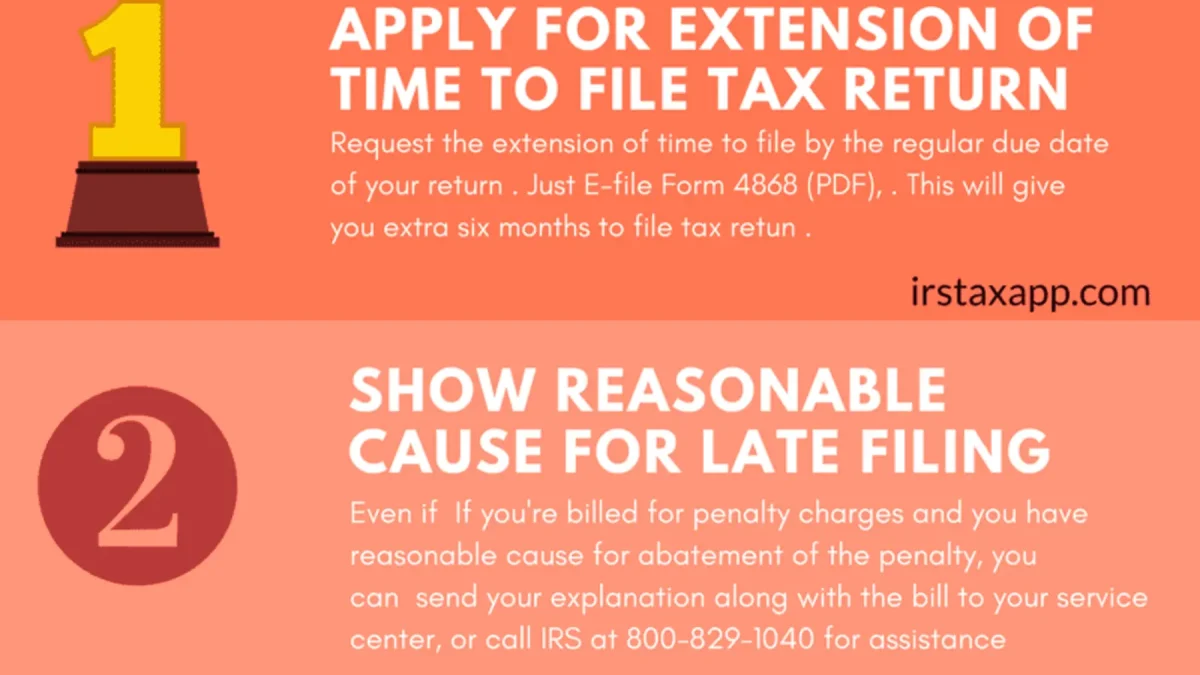
As of March 30, 2026, the IRS is still holding approximately $1 billion in unclaimed refunds from prior tax years. A significant portion of that money belongs to families who qualified for Child Tax Credits they never collected; not because they were ineligible, but because they either filed late, filed incorrectly, or never filed at all, according to americanrelief.info. This isn’t a small clerical edge case. It’s a pattern that plays out across millions of American households every single year.
This is the story of how one late tax filing cracked open that reality, and what came out the other side.
The Situation: A Late Return, an Old Letter, and $3,200 on the Table
The letter had been sitting on a kitchen counter for months. It was one of those IRS envelopes that most people either open immediately in a panic or set aside indefinitely because they can’t face what’s inside. For a lot of families, it’s the second option. Life gets in the way, a job change, a move, a new baby, a health scare; and the envelope just sits there.
When the return was finally filed, nearly two years late; a tax preparer asked a routine question: had the Child Tax Credit been claimed for each qualifying child? The answer was no. Not because anyone had intentionally skipped it, but because the original return had never been filed in the first place, and the credit had simply never come up.
With two qualifying children and income that fell within the eligible range, the unclaimed credit came to $3,200. That number, $2,000 per qualifying child under the standard Child Tax Credit structure, reduced and adjusted based on income; had been sitting uncollected, waiting.
| Credit Type | Maximum Per Child | Refundable Portion | Filing Requirement |
|---|---|---|---|
| Child Tax Credit (CTC) | Up to $2,000 | Up to $1,700 (ACTC) | Must file a return |
| Earned Income Tax Credit (EITC) | Varies by income/children | Fully refundable | Must file a return |
| Recovery Rebate Credit | Based on stimulus eligibility | Fully refundable | Must file a return |
| Child and Dependent Care Credit | Up to $1,050 (one child) | Non-refundable (generally) | Must file a return |
What Is an Unclaimed Child Tax Credit: and How Does $3,200 Actually Happen?
An unclaimed Child Tax Credit is exactly what it sounds like: a tax credit a household qualified for, but never received, because it was never claimed on a filed return. The credit doesn’t disappear automatically the moment a deadline passes. It sits in a kind of fiscal limbo, the IRS holds it, the taxpayer is technically owed it, but nothing moves until a return is filed.
The math behind $3,200 isn’t complicated. Under current Child Tax Credit rules, eligible families can claim up to $2,000 per qualifying child under age 17. A household with two children, both under 17, both meeting the residency and relationship tests, and with income below the phase-out threshold; roughly $200,000 for single filers and $400,000 for joint filers, would qualify for the full $4,000. After accounting for taxes already owed and partial credits previously received, the net unclaimed amount can land right around $3,200.
What makes this particularly common is the overlap between the years when families are most financially stretched; young children, variable income, housing instability, and the years when tax filing is most likely to slip. A parent working two part-time jobs with no employer doing automatic withholding often doesn’t realize they’re owed a refund at all. The assumption is usually that filing is only necessary when you owe money.
The Journey: Filing Late, Hitting Obstacles, and Using IRS Tools
Filing a late return is not the same as filing an amended return, though both involve paperwork that most people find intimidating. A late original return, one that was simply never filed by the April deadline; is submitted on the standard IRS Form 1040, the same form used for on-time returns. An amended return, filed when you need to correct a return you already submitted, uses IRS Form 1040-X, according to irs.gov, according to irs.gov.
In this case, the original return had never been filed, so the path forward was a late 1040, not a 1040-X. That distinction matters because the processing timelines differ. A standard late return generally processes within 6 to 8 weeks when filed by mail, or faster if submitted electronically. An amended return can take 16 weeks or longer.
Related: Everything You’ve Been Told About Filing Taxes Late Is Wrong — an obscure IRS rule let one person collect $3,200 three full years after the deadline
One obstacle that comes up consistently with late filings is documentation. W-2s, 1099s, and other income records from two or three years ago aren’t always easy to locate. The IRS provides a solution through its Get Transcript tool
Once the return was prepared and submitted, tracking its status became the next waiting game. The IRS tool Where’s My Refund?, accessible at IRS.gov; updates once daily and shows three stages: Return Received, Refund Approved, and Refund Sent. For late returns, the initial processing stage can take longer than for on-time filings, particularly during peak season. Patience is genuinely required here.
Visit the IRS’s “Where’s My Refund?” Tool: What It Actually Tells You
The IRS’s Where’s My Refund? tool is more useful than most people expect, and less useful than everyone hopes. It requires three pieces of information: Social Security number, filing status, and the exact refund amount claimed on the return. Once those are entered, it shows which stage the return is in, but it doesn’t explain delays or provide a specific deposit date until the refund has been approved.
For late returns specifically, there’s often a gap between when the return is received and when it moves to the Approved stage. That gap can stretch to four weeks or more, and the tool will simply show “Return Received” the entire time. That’s normal; it doesn’t mean something went wrong.
A few things Where’s My Refund? will not tell you: whether your return was selected for additional review, whether there’s a discrepancy between what you filed and what the IRS has on record, or whether a past-due debt (child support, federal student loans) has triggered an offset that will reduce your refund. For that last scenario, the Bureau of the Fiscal Service’s Treasury Offset Program is the relevant resource.
- Check Where’s My Refund? no more than once per day, it updates overnight
- Allow 4 weeks after mailing a paper return before the tool shows any status
- Electronic returns typically appear in the system within 24 to 48 hours
- If the tool shows no record after 6 weeks for a mailed return, contact the IRS directly
The Turning Point: Why This Discovery Felt Like More Than Money
The $3,200 refund wasn’t just a financial event. For a household that had been running on tight margins; managing childcare costs, a variable-income work situation, and the general financial pressure that comes with raising young children, that number represented months of breathing room. It was the difference between paying down a credit card balance and continuing to carry it, between replacing a broken appliance and continuing to work around it.
What shifted wasn’t just the bank balance. It was the realization that the system had been holding something that was rightfully owed, and that the only thing standing between that money and the family that earned it was a form that hadn’t been filed. That’s a particular kind of frustration — not anger at anyone specifically, but a recognition that complexity and procrastination together had cost real money over real time.
“The story of ignoring an IRS letter for months and then discovering $3,200 in unclaimed Child Tax Credits isn’t just one person’s experience — it’s a pattern that plays out across millions of American households every year.”
The IRS announced it would be sending approximately $2.4 billion in unclaimed credits and stimulus money to taxpayers who missed Recovery Rebate Credits and Child Tax Credits from the 2021 tax year. That figure gives some scale to how widespread this situation actually is. These aren’t edge cases. They’re common outcomes of a tax system that requires active participation to access benefits that are technically already owed.
The Outcome and What Comes After
The refund arrived via direct deposit approximately seven weeks after the late return was filed electronically. The full $3,200 came through without offset, which meant no outstanding federal debts had triggered a reduction. The Where’s My Refund? tool showed the status shift to Approved roughly five weeks in, then to Sent within two days after that.
What followed the refund wasn’t a dramatic life change. It was quieter than that — debts paid down, a small emergency fund started, a car repair that had been deferred for months finally handled. The emotional weight of the experience was less about the windfall and more about the years it had sat uncollected. That’s the part that lingers: not the relief of receiving it, but the low-grade frustration of knowing it had always been there.
For anyone in a similar position — a late return, an unfiled year, a credit that may have been missed — the amended return process through IRS Form 1040-X exists specifically to correct returns where credits were overlooked, according to irs.gov. The 3-year window from the original filing deadline is the critical constraint. Once it closes, the refund is gone permanently, regardless of eligibility.
The reflection here isn’t about financial strategy. It’s simpler than that: the cost of avoidance, in this case, was measured in dollars that sat in IRS limbo for years. Filing late is better than not filing.
Claiming what you’re owed is better than leaving it on the table. And sometimes, the most expensive thing a person does is nothing at all.
More Stories Like This
- I Filed My Taxes 3 Years Late and the IRS Sent Me a $3,200 Check — Here's the Rule Almost Nobody Knows About
- She Put Off Taxes for 2 Years and the IRS Was Holding $3,200 for Her the Whole Time
- americanrelief.info.info/filed-late-3200-recovery-rebate-credit-almost-missed/” style=”color:#0284c7;text-decoration:none;font-weight:500″>Miss This $3,200 Recovery Rebate Credit on Your Late Tax Return and the IRS Keeps Your Money — Here's the Line Most Filers Overlook
Frequently Asked Questions




Leave a Reply