

Maria hadn’t filed her 2021 taxes until late 2023; life had gotten complicated, and the paperwork kept getting pushed aside. When she finally sat down with a tax preparer, she walked out with something she hadn’t expected: a $1,400 refund from a stimulus payment she’d never received and assumed she’d missed forever.
Her story isn’t unusual. Roughly 9 million Americans who were eligible for the third stimulus check never received it, and many still don’t know, or didn’t know until recently; that they could claim it through a late tax return. This situation has sparked a genuine debate: is the IRS’s system for recovering unclaimed stimulus money fair, practical, and well-communicated? Or does it leave too many vulnerable people behind?
What Is the $1,400 Stimulus Check and the Recovery Rebate Credit?
The third Economic Impact Payment, the $1,400 stimulus check; was authorized under the American Rescue Plan Act of 2021. It was designed to provide direct financial relief to individuals earning under $75,000 annually (phasing out at $80,000), with additional payments for dependents.
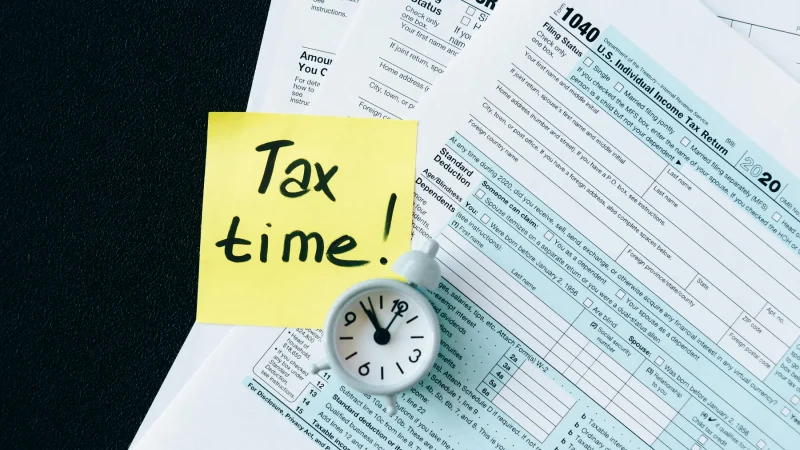
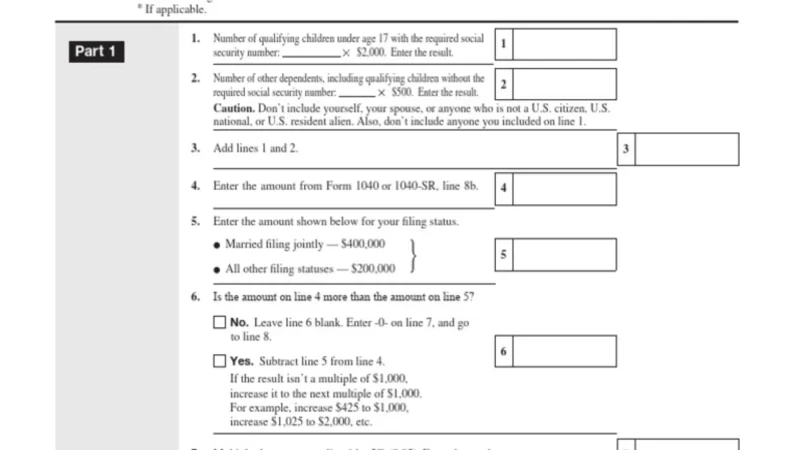
For people who never received the payment, whether because they didn’t file taxes, had outdated banking information on file, or experienced IRS processing errors; the government created a mechanism called the Recovery Rebate Credit. According to the IRS, this credit on your 2021 Form 1040 either reduces taxes owed or increases your refund. Filing a late 2021 return, even years after the original deadline; was the only way to access it.
The catch: the IRS set a hard deadline of April 15, 2025, for filing 2021 returns to claim this credit. That window has now closed as of March 28, 2026. But understanding how it worked matters enormously, both for people who filed just in time and for the broader policy conversation about how stimulus money is distributed and recovered.
| Scenario | Could You Claim the $1,400? | How |
|---|---|---|
| Never filed 2021 taxes | Yes (before April 15, 2025) | File late 2021 Form 1040, claim Recovery Rebate Credit |
| Filed 2021 taxes but forgot to claim credit | Yes (before April 15, 2025) | File amended return (Form 1040-X) |
| Received partial payment | Yes, for the difference | Claim remaining amount via Recovery Rebate Credit |
| Received full $1,400 | No | Payment already issued |
| Missed the April 15, 2025 deadline | No | Window is permanently closed |
Side A: The System Worked: Late Filers Had Every Opportunity
Proponents of the IRS’s approach argue that the system was more generous than critics acknowledge. The original 2021 tax deadline was April 15, 2022. The government then gave taxpayers an additional three years; until April 15, 2025, to file and claim the Recovery Rebate Credit. That’s an unusually long window by any standard.
The IRS also took active steps to notify eligible non-filers. According to IRS guidance, the agency sent reminder notices to households it identified as potentially eligible but who hadn’t yet filed. TurboTax and other major tax software platforms added prompts specifically asking users whether they’d received all three stimulus payments, reducing the chance of accidental omission.
From this perspective, Maria’s story is actually a success; the system worked exactly as intended. She filed late, the credit was still available, and she received money she was owed. The three-year rule exists for a reason: the IRS cannot hold refunds open indefinitely, and a firm deadline creates administrative clarity.
- Three-year filing window exceeded standard IRS refund rules
- IRS sent proactive notices to identified non-filers
- Major tax software platforms flagged the credit automatically
- The credit was available even for people who had never previously filed taxes
Side B: Millions Still Fell Through the Cracks
Critics point to a harder reality: approximately 9 million eligible Americans never claimed their $1,400 payment. That figure represents a systemic failure, not individual negligence. Many of these people were among the most economically vulnerable, those without regular internet access, those experiencing housing instability, those who don’t typically file taxes because their income falls below the filing threshold.
The cruel irony is that non-filers; the very people most likely to need stimulus money, were also the least likely to know they had to file a return to claim it. For someone who earns $12,000 a year in cash income and has never filed a federal return, the connection between “file a tax return” and “receive your $1,400 check” is not intuitive. IRS notices sent by mail don’t reach people without stable addresses.
There’s also the matter of complexity. Claiming the Recovery Rebate Credit requires knowing what payments you previously received, accurately reporting that on your return, and navigating a form that asks questions most non-filers find confusing. Errors on that form; even minor ones, could trigger IRS review or reduce the credit amount. I’d argue the burden placed on the most vulnerable claimants was disproportionate to the support available to them.
What the Data Actually Shows About Pandemic Stimulus Money
The numbers tell a nuanced story. The IRS distributed approximately 175 million third-round stimulus payments totaling over $400 billion. By most measures, that’s an extraordinary logistical achievement. Yet the roughly 9 million unclaimed payments represent billions of dollars that never reached intended recipients.
Research on prior stimulus rounds found that non-filers, particularly low-income households, elderly individuals, and people experiencing homelessness; consistently had the lowest uptake rates. The IRS’s Non-Filer tool, launched during COVID, helped some of these groups register for payments without filing a full return. But that tool was discontinued before the 2021 tax year’s Recovery Rebate Credit deadline, meaning the only path to the $1,400 for non-filers was a full Form 1040 filing.
According to IRS.gov, the 2021 Recovery Rebate Credit reduces any tax owed for 2021 or is included in the tax refund, a straightforward mechanism on paper. In practice, the people who needed it most often lacked the professional tax help to navigate it. Free tax preparation services like VITA (Volunteer Income Tax Assistance) were available, but awareness of those programs was uneven, according to irs.gov.
Why the Recovery Rebate Credit Debate Still Matters in 2026
The April 15, 2025 deadline has passed. For anyone who missed it, the $1,400 is gone; permanently. That’s a hard fact, and it’s worth sitting with. The Recovery Rebate Credit window closing means billions in unclaimed stimulus money has effectively reverted, uncollected, rather than reaching the households it was meant to help.
This debate matters going forward because it reveals a structural problem in how emergency financial relief is delivered in the United States. When relief is tied to the tax system, it systematically disadvantages people who are outside that system, through poverty, instability, or simple unfamiliarity. Future stimulus programs, should they ever be authorized, will face the same design challenge.
For people who did file their 2021 returns late and successfully claimed the credit, the lesson is clear: the IRS’s three-year rule for refunds is real and consequential. Missing it by even one day means losing money you were legally owed. Tax professionals consistently recommend filing all back returns as quickly as possible, not just for stimulus credits but for any potential refunds; the clock is always running.
Verdict: The System Was Adequate but Not Equitable
Both sides in this debate have merit. The IRS did provide a generous window, clear guidance, and proactive outreach. Late filers who discovered their unclaimed
Both sides in this debate have merit. The IRS did provide a generous window, clear guidance, and proactive outreach. Late filers who discovered their un,400, like Maria; found a system that still worked for them, sometimes years after the original deadline. That’s genuinely good policy design.
At the same time, the 9 million people who never claimed their payment represent a real equity failure, according to americanrelief.info. A relief program that successfully reaches 95% of recipients while systematically missing the most vulnerable 5% has done something meaningful, but not enough. The Recovery Rebate Credit mechanism placed the burden of claiming relief on people least equipped to navigate bureaucracy.
Going forward, any emergency relief program should include automatic payment mechanisms for known non-filers, sustained outreach through non-tax channels, and longer or more flexible claim windows for documented hardship cases. The $1,400 story is ultimately a story about what happens when good intentions meet imperfect systems — and who pays the price when those systems fall short.
More Stories Like This
- I Filed My Taxes 3 Years Late and the IRS Sent Me a $3,200 Check — Here's the Rule Almost Nobody Knows About
- 9 Million Americans Left $1,400 on the Table — Filing a Late 2021 Return Is the Only Way to Claim It
- americanrelief.info.info/filed-taxes-late-3200-unclaimed-child-tax-credits/” style=”color:#0284c7;text-decoration:none;font-weight:500″>She Put Off Taxes for 2 Years and the IRS Was Holding $3,200 for Her the Whole Time
Frequently Asked Questions


Leave a Reply