

Maria had three kids, a stack of unopened mail, and a tax return she’d been putting off for two years. When she finally sat down with a tax preparer in early 2026, she expected a bill; not a check. What she got instead was a refund notice for $3,200 in Child Tax Credits she’d never claimed. The IRS had been holding that money the entire time.
Stories like Maria’s are more common than most people realize. Approximately 1 in 5 Americans who are owed a tax refund never collect it, leaving roughly $1 billion in unclaimed refunds sitting with the IRS every year. The Child Tax Credit is one of the biggest sources of that unclaimed money, and late filers are the most likely to miss it entirely.
This article breaks down exactly how this happens, what the IRS rules actually say, and how to find out whether you’re owed money you haven’t collected yet.
What Is the Unclaimed Child Tax Credit Situation?
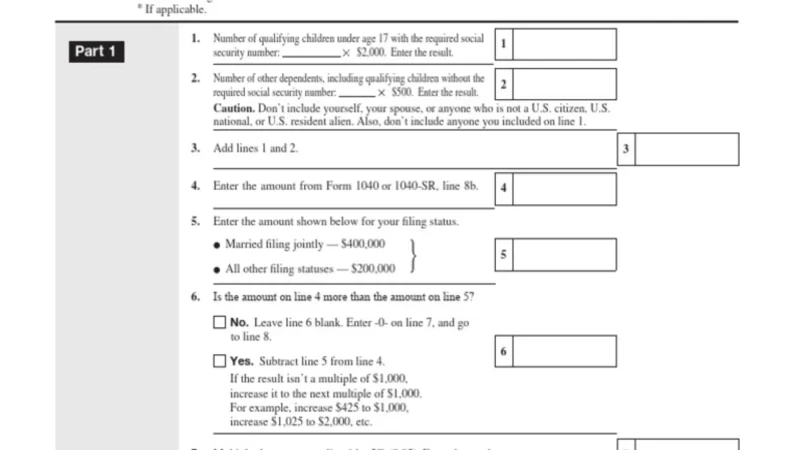
The Child Tax Credit (CTC) allows eligible taxpayers to reduce their federal income tax liability by up to $2,000 per qualifying child, according to irs.gov. For lower-income families, a portion of that credit is refundable; meaning you can receive money back even if you owe no federal income tax. That refundable portion is called the Additional Child Tax Credit (ACTC).
The 2021 tax year was exceptional. Congress temporarily expanded the CTC under the American Rescue Plan, raising the maximum credit to $3,600 per child under age 6 and $3,000 per child ages 6–17. Many families also received advance monthly payments during 2021, but those who didn’t file a 2021 return missed out on reconciling those payments and claiming any remaining balance.
The IRS announced it would send approximately $2.4 billion in unclaimed credits and stimulus money to taxpayers who hadn’t received it. That figure represents real money sitting uncollected; and much of it belongs to families who either didn’t file or filed with errors.
| Tax Year | Standard CTC (per child) | Expanded CTC (under 6) | Refundable? |
|---|---|---|---|
| 2020 | $2,000 | $2,000 | Partially (up to $1,400) |
| 2021 | $3,000 | $3,600 | Fully refundable |
| 2022 | $2,000 | $2,000 | Partially (up to $1,500) |
| 2025–2026 | $2,000 | $2,000 | Partially (up to $1,700) |
How Does This Actually Work: and Why Do People Miss It?
The mechanics are straightforward: you file a tax return, claim the Child Tax Credit for each qualifying child, and the IRS either applies it against taxes owed or issues a refund for the refundable portion. What trips people up is the assumption that if you didn’t file on time, the money is gone.
Related: I Filed My Taxes Late and Almost Lost $3,200 — The IRS’s 3-Year Rule Nobody Warned Me About
That assumption is wrong, but only up to a point. The IRS enforces a strict 3-year statute of limitations on refund claims. File more than three years after the original due date, and you forfeit any refund, regardless of how much you were owed. For the 2021 tax year, that deadline falls in April 2025; which means anyone who hasn’t yet filed their 2021 return has already passed the window for that specific year. For current and recent tax years, though, late filing still works. A scenario is entirely realistic for a family with two children under age 6 who filed their 2021 return before the deadline but made errors, or who filed correctly but never claimed credits they were entitled to on a more recent return. ,200 refund (americanrelief.info) scenario is entirely realistic for a family with two children under age 6 who filed their 2021 return before the deadline but made errors, or who filed correctly but never claimed credits they were entitled to on a more recent return. Refunds also go unclaimed because taxpayers who don’t meet the IRS income threshold to file a return are actually entitled to credits they never pursue. A family earning $20,000 with two children may owe zero federal taxes, but still qualify for a refundable credit worth thousands of dollars. Without filing, that money stays with the IRS permanently after the statute of limitations expires. A $3,200 refund is not a rounding error. For a working family, that’s rent for two months, a car repair, or a semester of community college. The IRS doesn’t send reminders when you’ve left money on the table; the burden falls entirely on the taxpayer to claim what they’re owed. As of 2026, the IRS estimates hundreds of millions of dollars in refunds are forfeited annually because taxpayers either didn’t file or filed too late to claim them. The Child Tax Credit is one of the top three sources of unclaimed refundable credits, alongside the Earned Income Tax Credit and the American Opportunity Tax Credit for education. Late filing also carries a separate risk: the IRS can freeze your refund if it’s auditing past tax returns and believes additional taxes may be owed. This is why filing promptly, even when you’re late; matters. A frozen refund is still recoverable; a forfeited one is not. Filing late is almost always better than not filing at all. The penalty for filing late when you’re owed a refund is zero; the IRS only charges late-filing penalties when you owe taxes. So if you’ve been avoiding the task because you assumed you’d owe money, that fear may be costing you thousands of dollars. For families who qualify for the full Child Tax Credit across multiple children, the math adds up fast. Two children under age 6 in 2021 represented up to $7,200 in credits, minus any advance payments already received. Even with partial advance payments factored in, many families were still owed $1,500 to $3,500 at filing time. Here’s a practical sequence for anyone who thinks they may have unclaimed credits: The IRS is not your adversary in this process; it’s holding money that belongs to you, and it will release it once you file the correct paperwork. The system doesn’t automatically send unclaimed credits to eligible taxpayers; it waits for you to ask. Maria’s $3,200 discovery wasn’t luck. It was the result of finally sitting down, pulling together two years of records, and filing returns she’d assumed were pointless. If you have qualifying children and haven’t verified your Child Tax Credit claims for recent tax years, the same math may apply to you — and the window to act is narrower than most people think. Why the Stakes Are Higher Than Most Families Understand
What Are the Real Benefits of Claiming Late: and What to Do Right Now
More Stories Like This
Frequently Asked Questions



Leave a Reply