
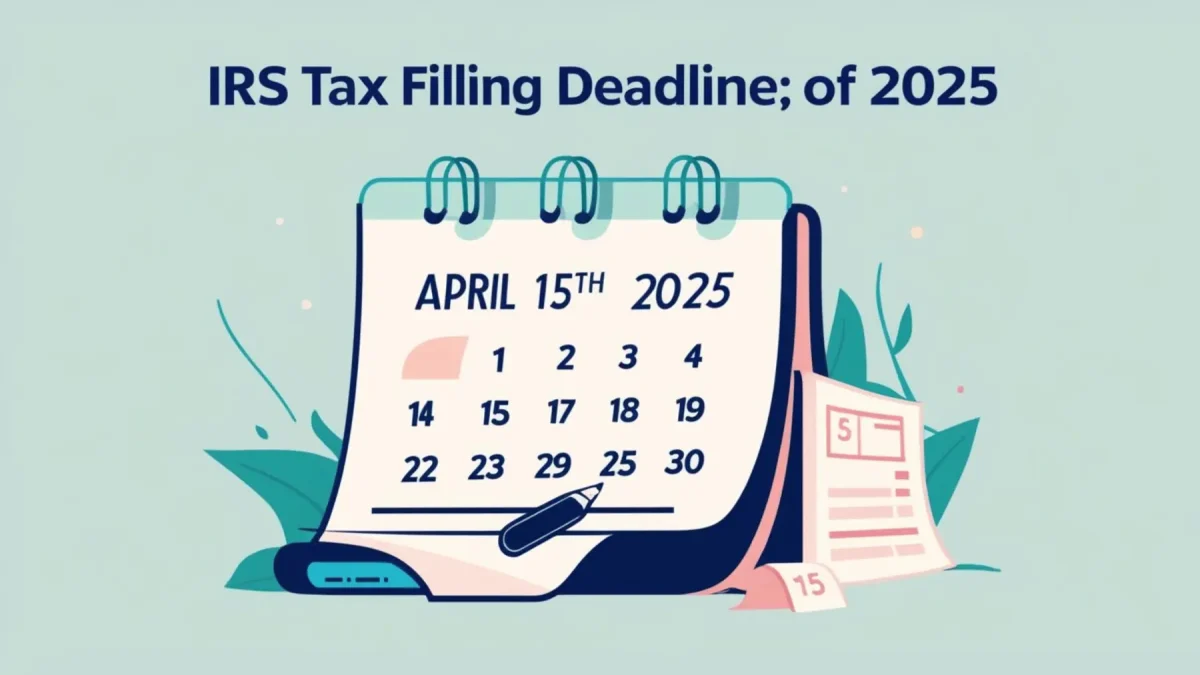
April 15, 2025 was the last day anyone could file a 2021 federal tax return and claim the $1,400 Recovery Rebate Credit. That deadline has now passed. If you missed it, the IRS has confirmed there are no extensions, that money is permanently gone. But if you filed before that cutoff, even years late, millions of Americans discovered something surprising: the IRS still owed them a check.
This is the story of how that happened, why so many people didn’t know they qualified, and what the mechanics of the 2021 Recovery Rebate Credit actually look like from the inside.
What the 2021 Recovery Rebate Credit Actually Is
The 2021 Recovery Rebate Credit is a refundable tax credit that served as the official IRS mechanism for claiming a missed third stimulus payment through the tax system. When Congress authorized the third round of Economic Impact Payments in early 2021, $1,400 per eligible adult; the IRS distributed those payments automatically based on 2019 or 2020 tax return data. Anyone who didn’t receive the full amount could reconcile the difference on their 2021 Form 1040.
According to the IRS directly, the credit reduces any tax owed for 2021, or is included in your refund if you owe nothing, according to irs.gov. That made it fully accessible even to people with zero tax liability, retirees, low-income workers, students, and non-filers who had never submitted a return in their lives.
The catch that tripped up so many people: you had to file a 2021 tax return to claim it. The IRS’s earlier non-filer tool; used for the first two stimulus rounds, was discontinued before the 2021 credit deadline. A full Form 1040 was the only path.
| Stimulus Round | Amount | Claim Method | Tax Year Filed |
|---|---|---|---|
| First EIP (2020) | Up to $1,200 | 2020 Recovery Rebate Credit | 2020 Form 1040 |
| Second EIP (2021) | Up to $600 | 2020 Recovery Rebate Credit | 2020 Form 1040 |
| Third EIP (2021) | Up to $1,400 | 2021 Recovery Rebate Credit | 2021 Form 1040 |
How Missing the Original Deadline Still Led to a Refund
The original deadline to file a 2021 tax return was April 15, 2022. Millions of people missed it; some because they didn’t think they earned enough to owe taxes, some because life got in the way, and some because they simply didn’t know they had a credit waiting. What those filers discovered when they eventually submitted a late return was that the IRS processed it and issued the refund anyway, provided they filed before the hard April 15, 2025 cutoff.
Under IRS rules, taxpayers generally have three years from the original filing deadline to claim a refund. For 2021 returns, that three-year window ran from April 15, 2022 to April 15, 2025. Filing late, even years late; within that window was fully valid. The IRS confirmed it would still process the 2021 Recovery Rebate Credit for eligible filers who submitted during that period.
One Reddit user documented receiving a $1,400 check from the IRS for a 1040NR filed in 2021, describing it as an unexpected arrival with no prior notice. That experience mirrors what tax advocates saw repeatedly: people who assumed they’d missed their chance, filing a return as a formality, and discovering a four-figure refund waiting on the other side.
Why So Many Eligible People Never Filed: and What They Lost
The IRS has confirmed it issued all three rounds of Economic Impact Payments. But eligibility for the third payment was based on income thresholds from prior-year returns; and those thresholds shifted significantly. A single filer earning under $75,000 received the full $1,400.
Related: I Lost My Job in 2020 and Just Found Out I Never Claimed My $1,400 Stimulus Check — Here’s How I’m Getting It Back
Payments phased out completely at $80,000, according to americanrelief.info. Married couples filing jointly were eligible up to $150,000, phasing out at $160,000.
Anyone whose income dropped between 2019 and 2021, job loss, reduced hours, a medical crisis; may have been eligible for a larger credit than the IRS automatically distributed. The only way to capture that difference was to file a 2021 return and let the IRS calculate the correct amount.
Several categories of people were especially likely to have unclaimed credits:
- Non-filers who had no filing obligation due to low or no income
- College students claimed as dependents in 2020 but independent in 2021
- New parents whose children were born in 2021 and not reflected in prior IRS records
- People who moved or had address changes and never received the original EIP check
- Immigrants and mixed-status households who were newly eligible under 2021 rules
For those who didn’t file before April 15, 2025, the IRS has been explicit: no extensions exist for this specific credit. The three-year statutory window has closed, and that $1,400 is permanently forfeited. CBS News reported that April 15, 2025 was the final day to file for both the missed stimulus credit and any other 2021 refunds, a dual deadline that affected an estimated one million-plus taxpayers.
What the Filing Process Actually Looked Like
Filing a late 2021 return to claim the Recovery Rebate Credit was not complicated; but it required a paper or electronic Form 1040, not a simplified form. The IRS Recovery Rebate Credit page walked filers through a worksheet to determine the correct credit amount based on filing status, adjusted gross income, and any partial payments already received.
If you were uncertain whether the IRS had actually sent your original $1,400 payment, the agency provided a specific remedy. According to Legal Aid DC, you could initiate a payment trace by calling the IRS at 800-919-9835. That trace would confirm whether a check or direct deposit was issued and whether it was cashed, critical information before claiming the credit on a return.
The filing steps for a late 2021 return were straightforward:
- Gather 2021 income documents; W-2s, 1099s, or a statement of zero income if applicable
- Download or request Form 1040 for tax year 2021 (not the current-year version)
- Complete the Recovery Rebate Credit worksheet on Schedule 3 or the relevant line
- Mail the return to the appropriate IRS processing center, or file electronically if your software supported prior-year returns
- Expect processing times of 6–8 weeks for paper returns, shorter for electronic filings
What This Situation Reveals About How the IRS Communicates Deadlines
The broader lesson from the 2021 Recovery Rebate Credit saga is about the gap between IRS outreach and actual taxpayer awareness. The agency sent letters, Notice 1444-C; to households confirming the amount of their third Economic Impact Payment. Those letters were supposed to help filers reconcile their credit accurately. Many people threw them away, never received them due to address changes, or didn’t understand their purpose.
“You may be eligible to claim the 2021 Recovery Rebate Credit and must file a 2021 tax return, even if you don’t usually file taxes; to claim it.”, IRS.gov
That statement from the IRS is clear in retrospect. At the time, it was buried in guidance documents that most non-filers never encountered. Tax advocacy organizations and free filing programs; including IRS Free File, worked to close the gap, but the population most likely to have missed the payment was also the population least likely to be engaged with tax filing resources, according to irs.gov.
For anyone navigating a similar situation in future tax years; whether a new credit, a changed eligibility threshold, or a payment that never arrived, the takeaway is consistent: check your IRS account at IRS.gov, retain any notices the agency sends, and don’t assume that missing the original deadline means the money is gone. Within the three-year window, a late return is a valid return.
The 2021 deadline has closed. For millions of filers who acted in time, the IRS did exactly what it said it would: reduced their tax bill or issued a refund check. For those who didn’t, the lesson is filed away for next time — which, given the pace of federal relief programs, may not be far off.
More Stories Like This
- Miss This $3,200 Recovery Rebate Credit on Your Late Tax Return and the IRS Keeps Your Money — Here's the Line Most Filers Overlook
- 9 Million Americans Left $1,400 on the Table — Filing a Late 2021 Return Is the Only Way to Claim It
- americanrelief.info.info/out-qualified-7500-ev-credit-after-filing/” style=”color:#0284c7;text-decoration:none;font-weight:500″>She Got $7,500 Back on Taxes She Already Filed — Now Everyone's Checking If They Missed the EV Credit Too
Frequently Asked Questions




Leave a Reply