
The most expensive financial decision some Americans made in 2025 was not a bad investment or a missed bill. It was choosing to wait — specifically, waiting for a $2,000 federal stimulus check that, as of this writing, has not been approved by Congress and does not have a scheduled distribution date.
I first connected with Andre Quintero through a veterans’ support group in Minneapolis that reached out to American Relief after several of its members admitted they had restructured personal finances around unconfirmed relief payment claims. Andre, 61, a widowed pest control technician who has worked the same suburban Twin Cities route for nearly a decade, agreed to talk. We met at a diner near his apartment in early March 2026. He ordered coffee but barely touched it.
“I’m not embarrassed by it,” he told me, wrapping both hands around the mug. “I just want people to know it’s easy to do. You see those headlines every single day and you think — okay, this is real. This is coming.”
When a Promise Becomes a Budget Line Item
Andre’s financial picture was already stretched before the stimulus chatter intensified in mid-2025. He earns approximately $48,000 a year — solidly middle income by most measures — but his costs had crept past what that salary was designed to absorb. His rent at a one-bedroom apartment in the Seward neighborhood jumped from $1,050 to $1,365 per month at lease renewal in September 2025, a 30 percent increase his landlord attributed to rising property taxes and building renovation costs.
At the same time, Andre was carrying an auto loan on a 2018 Ford F-150 he needs for occasional weekend work. He owed roughly $14,800 on the truck. The vehicle’s market value had dropped to an estimated $10,100 — leaving him approximately $4,700 underwater on the loan with 22 months of payments remaining.
Between the rent increase and the auto loan, Andre estimated he was running a monthly deficit of about $390 — drawing down a savings account that once held $6,200. By January 2026, that buffer had eroded to roughly $3,800.
Then, in late October 2025, he started seeing the headlines. A $2,000 check. Tariff dividends. IRS direct deposits. His adult daughter in Phoenix texted him a link. A fellow veteran at his support group said he’d heard it was “basically approved.” Andre paused on refinancing options he had been researching. He stopped returning calls from a debt management counselor. He waited.
The $2,000 Tariff Dividend: What the Headlines Left Out
The claim centered on comments President Trump made about redirecting tariff revenues directly to American households as a kind of dividend. But as AZ Central’s reporting on 2026 stimulus checks made clear in January 2026, no such payment had been legislated, signed, or scheduled for distribution. A separate legislative proposal circulated in Congress, but as CNBC’s analysis of the tariff dividend bill reported in March 2026, economists remained divided on its viability and the measure had not advanced out of committee.
Fact-checkers at Investopedia’s February 2026 stimulus fact-check repeatedly flagged social media claims about imminent IRS direct deposits as unverified or outright false. The distinction between a presidential suggestion, a congressional proposal, and an enacted law was collapsing in the public conversation — and for people like Andre, it had real consequences measured in dollars.
Andre said he didn’t grasp that distinction until February 2026, when a counselor at his veterans’ support group printed out a stack of news articles and walked through them line by line at a group meeting. “She showed us the difference between ‘proposed’ and ‘approved,'” he told me. “I didn’t see that word — proposed — all those times I read the headlines. I saw ‘$2,000’ and I stopped reading.”
The Rent Hike That Turned a Pause Into a Slow Drain
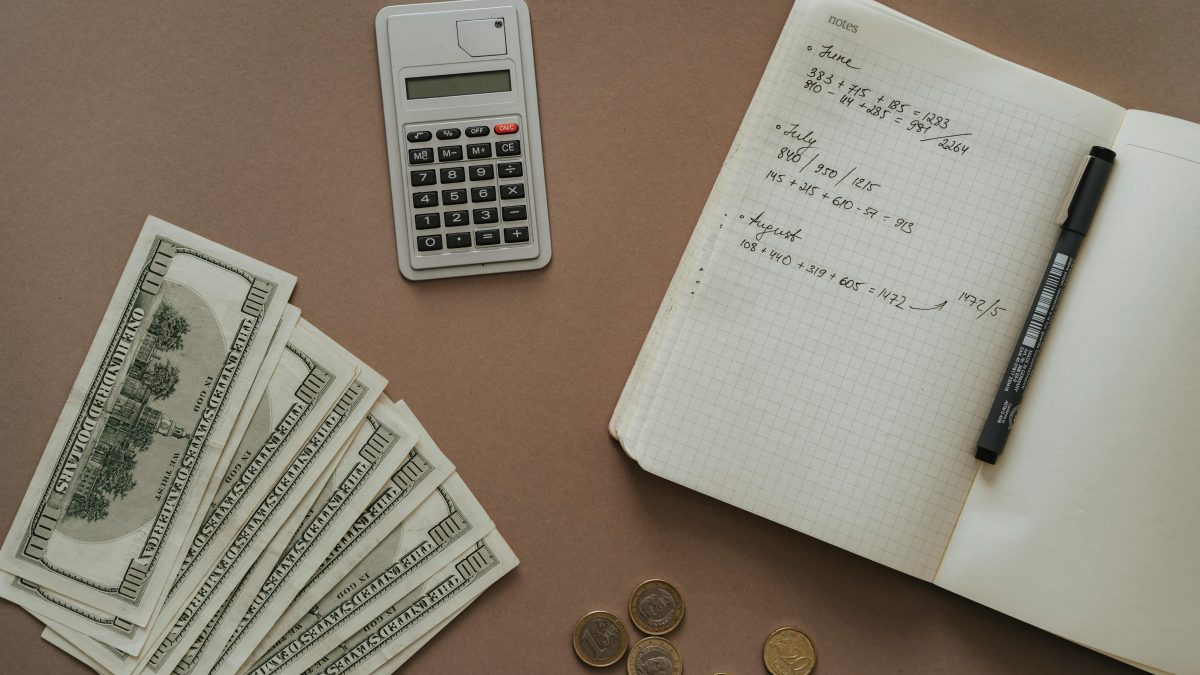
The $315 monthly rent increase was not the kind of number Andre could absorb quietly. He described sitting at his kitchen table in October 2025, doing the arithmetic on a notepad — something he said he does when he needs to feel in control. His gross monthly take-home was approximately $3,800 after taxes. His fixed expenses, post-rent-hike, totaled $3,610. That left less than $200 for groceries, utilities, gas, and everything else.
“I’m 61 years old,” he said. “I’ve paid rent on time every month for 30 years. And now I’m sitting here figuring out if I can afford eggs.” He paused. “That’s a strange thing to feel.”
His two adult children — a son in Charlotte, a daughter in Phoenix — offered to help. He declined. Andre has always managed his finances alone, a quality his late wife used to call both his greatest strength and his most exhausting flaw. The fatigue he described wasn’t only financial. It was the weight of being the sole person managing a problem that kept compounding.
What Andre Actually Found When He Stopped Waiting
The shift happened in February 2026, after the support group meeting. Andre began looking at what was confirmed and available rather than what might arrive. “I couldn’t afford to keep hoping,” he told me plainly.
Minnesota operates a Renter’s Property Tax Refund program — sometimes called the Renter’s Credit — which provides eligible low- and middle-income renters a refund based on rent paid and household income. Andre’s counselor helped him confirm he likely qualifies, with a potential refund estimated at $900 to $1,100 based on his income and 2025 rent payments. The application window runs through August 2026.
According to Kiplinger’s 2026 tracker of state rebates and relief programs, several states are actively distributing property tax credits and renter assistance payments this year — confirmed, approved money already going out the door. Andre’s situation reflects a pattern of middle-income Americans caught between real state-level programs and federal proposals that remain unlegislated.
Andre has not resolved everything. The savings account still sits near $3,800 and hasn’t been rebuilt. The truck is still underwater. But he described the act of moving forward — of doing something concrete rather than watching a headline — as a change he could feel.
The Part of This Story Without a Clean Ending
Near the end of our conversation, I asked Andre how he would describe where he stands right now. He took a moment.
“I’m not telling you everything is fine,” he said. “I’m telling you I stopped making it worse.” He smiled a little at that. “For me, right now, that’s the win.”
When I asked what he would tell someone else in a similar position — someone who had been holding decisions in suspension while watching for a federal check — he didn’t philosophize. He kept it specific: “Go find out what your state has. Don’t wait for Washington. Washington’s busy.”
The federal stimulus conversation will continue. The tariff dividend proposal may advance, stall, or disappear entirely before Congress recesses. For Andre Quintero, 61, alone in a one-bedroom apartment with a depleted savings account and a truck worth less than he owes on it, the outcome of that legislative debate will still matter. It just can no longer be the thing he waits for.
Some mornings he still sees the headlines. He told me he has learned, finally, to read past the dollar sign — all the way to the verb.



Leave a Reply