
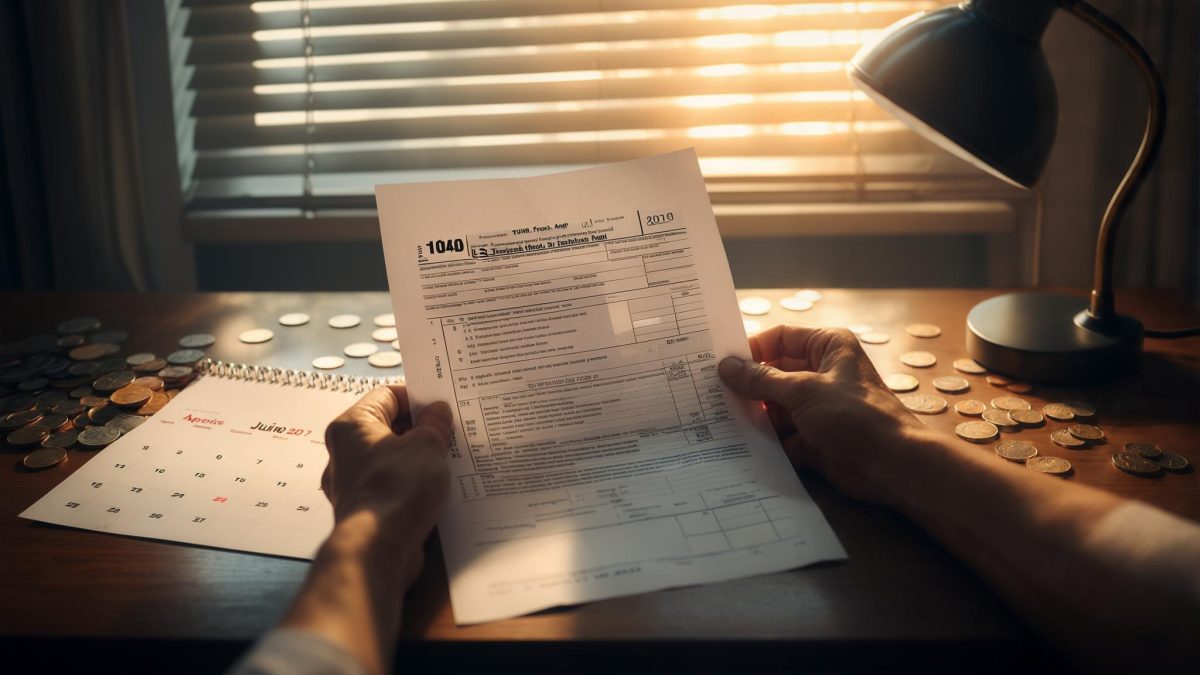
Sixteen days. That is all the time left before the IRS permanently closes the door on roughly $2.4 billion in unclaimed tax refunds from the 2022 filing year. The deadline is April 15, 2026 — not a soft suggestion, not an extendable window. Once it passes, the money goes to the U.S. Treasury and cannot be recovered under any circumstances.
I’ve spent years covering government benefits and tax credits, and few stories frustrate me more than this one. Not because the IRS is hiding anything — the rules are public. But because the people most likely to have skipped filing in 2022 are also the least likely to know they’re sitting on money that belongs to them.
The Belief That Kept People From Filing
The most common thing I hear from people who skipped a tax year: “I figured it was too late — I didn’t want to deal with the penalties.” That belief, while understandable, is often wrong in a very costly way. The assumption is that missing a filing deadline means you’ve forfeited the right to your refund and opened yourself up to IRS collection. That’s only partially true.
If you owe the IRS money, yes — penalties and interest accrue from the original due date. But if the IRS owes you money, the situation is different. The agency has no financial incentive to remind you about that. Your refund simply sits in a holding account, quietly waiting for a return that never came.
Low-income workers, students, gig workers, and part-time employees are disproportionately represented in the group of non-filers who are actually owed money. Many assumed they didn’t earn enough to owe taxes — and they were right — but they also didn’t realize that withholdings from their paychecks or refundable credits like the Earned Income Tax Credit (EITC) could generate a refund even at lower income levels.
What the IRS Actually Says About the 3-Year Rule
The IRS operates under what tax professionals call the “3-year lookback window.” Under federal law, you have three years from the original filing deadline to submit a return and claim your refund. For the 2022 tax year, the original deadline was April 18, 2023. Three years from that date lands on April 15, 2026.
According to the IRS newsroom, the agency estimates the median potential refund for 2022 non-filers is approximately $781. That number is a median — meaning half of all unclaimed refunds are larger than that. For those who qualify for the EITC, the credit alone can be worth up to $6,935 for the 2022 tax year depending on income and family size.
Once April 15, 2026 passes, the IRS does not issue extensions for refund claims on prior-year returns. The statutory authority to issue that refund simply expires. There is no appeals process, no hardship exception, and no way to petition for the money after the fact. This is one of the few tax deadlines with truly no flexibility.
Who Is Most Likely Leaving Money Behind
The profile of a non-filer who is actually owed a refund might surprise you. These aren’t people who intentionally evaded taxes. In many cases, they are:
- Workers who had federal income tax withheld from W-2 paychecks but didn’t realize they’d get it back
- Self-employed or gig workers who assumed filing was too complicated without professional help
- Young adults filing for the first time who didn’t know they qualified
- Individuals who experienced a major life event — job loss, divorce, illness — and let filing fall through the cracks
- Low-income earners who believed they made too little to bother
The EITC is a particularly significant credit in this context. It is refundable — meaning it can generate a refund even if you owe zero taxes. For 2022, single filers with no children could receive up to $560 through the EITC. Families with three or more qualifying children could receive up to $6,935. Many of these individuals never filed because they didn’t realize the credit existed or that they qualified.
How to File a Late 2022 Return Before the Deadline
Filing a late return for 2022 is straightforward, but the clock is real. Here is exactly what you need to do before April 15, 2026.
One critical note: if you also did not file returns for 2023 or 2024, the IRS may hold your 2022 refund until all outstanding returns are filed. This is known as the “return sequencing” rule and catches many filers off guard. Filing all missing years at once — or in rapid succession — is the safest approach.
What Happens to the Money After April 15
The answer is unambiguous. Under 26 U.S. Code § 6511, the statutory period for claiming a tax refund expires three years after the return’s original due date. When that period closes, the unclaimed funds are transferred to the general fund of the U.S. Treasury. There is no waiting list, no second chance filing, and no legislative exception that has historically applied to prior-year refund deadlines of this type.
This is not a scare tactic. The IRS has consistently enforced this rule across every prior tax year. When the equivalent deadline passed for unclaimed 2021 refunds in April 2025, the IRS confirmed that hundreds of millions of dollars were permanently forfeited by taxpayers who waited too long.
The takeaway from this table is direct: 2022 is the only year where the window is actively closing. You still have time for 2023 and 2024 — but 2022 requires action within days, not weeks or months.
If you think someone in your household, a family member, or a friend may have skipped filing in 2022, share this now. The IRS is not going to send a final warning letter. There is no automated reminder system. The only way this information reaches people who need it is through direct communication — which is exactly why I’m writing it.
Related: He Tripled His Salary, Bought Two Rentals, and Still Hides the Debt From His Wife




Leave a Reply